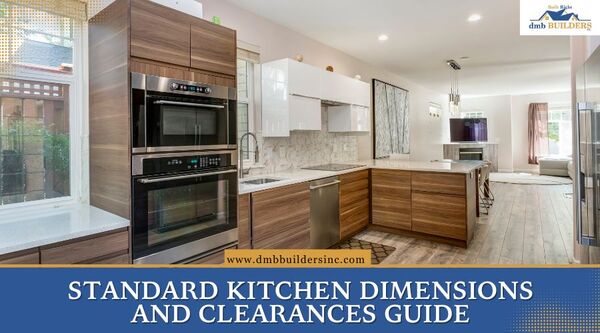
Standard kitchen dimensions are precise measurements used to ensure ergonomic safety and functional space planning. The core dimensions include 36-inch high countertops, 24-inch deep base cabinets, and 12-inch deep upper cabinets. Standard clearance requires a minimum 36-inch walkway and a 42-inch to 48-inch work aisle. Adhering to these industry-approved metrics prevents cramped workspaces and ensures your appliances fit correctly within the structural layout.
- Standard Kitchen Square Footage and Size by Layout
- Kitchen Work Triangle Dimensions for Ergonomic Design
- NKBA Specifications for Work Triangle Efficiency
- Standard Kitchen Cabinet Dimensions
- Base Cabinet Measurements: Height, Depth, and Width
- Upper Cabinet Dimensions and Countertop Clearance
- Tall Cabinet Dimensions for Pantries and Ovens
- Standard Kitchen Countertop Dimensions
- Standard Countertop Height for Food Preparation
- Standard Countertop Depth and Overhang Metrics
- Kitchen Clearances and Standard Walkway Widths
- Walkway Clearances vs. Work Aisle Specifications
- Standard Kitchen Island Clearance Measurements
- Island Seating Clearances and Required Knee Space
- Standard Appliance Dimensions and Storage Sizing
- Standard Widths: Ranges, Refrigerators, and Dishwashers
- Appliance Garage Dimensions and Countertop Integration
- Adapting Standard Kitchen Dimensions in Remodeling
- Finalizing a Functional Kitchen Floor Plan
- Frequently Asked Questions
- What is the standard height for a kitchen counter?
- How much space do you need between a kitchen island and counters?
- What is the standard depth of kitchen cabinets?
- What is the ideal kitchen work triangle dimension?
- How tall should upper cabinets be from the countertop?
Standard Kitchen Square Footage and Size by Layout
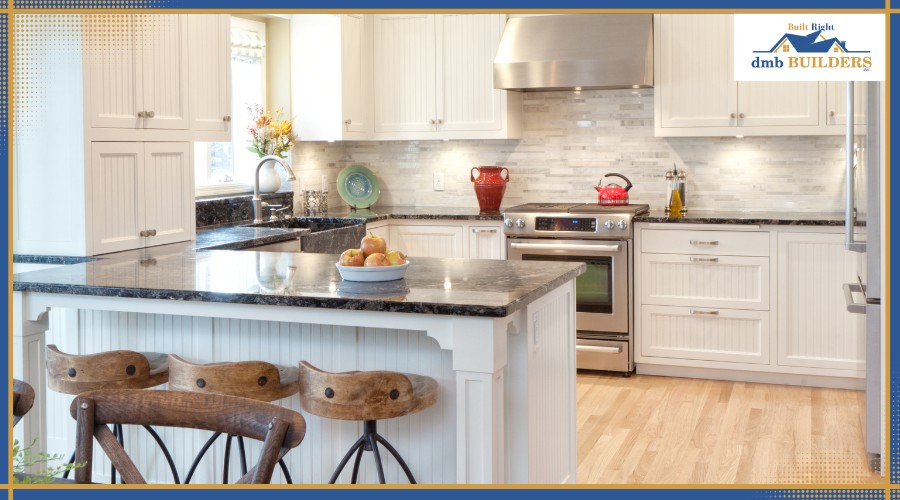
A standard kitchen size varies by the home's overall footprint, but a medium-sized kitchen typically spans 100 to 200 square feet. The average U.S. kitchen measures approximately 225 square feet. Specific layout configurations directly dictate the required square footage for optimal function.
|
Kitchen Size by Layout |
Square Footage |
|
Galley |
70–100 sq. ft. |
|
L-Shaped |
100–150 sq. ft. |
|
U-Shaped |
150–250 sq. ft. |
|
Island |
200+ sq. ft. |
|
Standard Dimensions |
Measurement Specifications |
|
Countertop Height |
36 inches (91.4 cm) |
|
Base Cabinet Height |
34.5 inches (87.6 cm) |
|
Base Cabinet Depth |
24 inches (61 cm) |
|
Countertop Depth |
25 inches (63.5 cm) with a 1-inch overhang |
|
Upper Cabinet Depth |
12 inches (30.5 cm) |
|
Upper Cabinet Height |
30–42 inches (76–107 cm) |
|
Working Clearance |
36 inches minimum (1 cook), or 48 inches (2 cooks) |
Kitchen Work Triangle Dimensions for Ergonomic Design
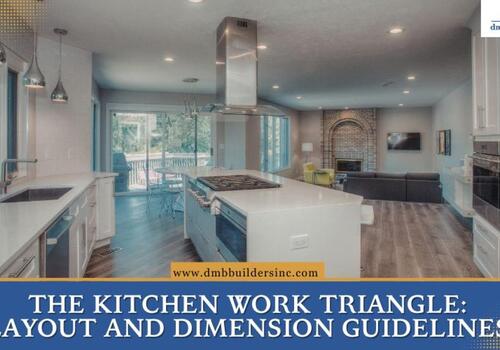
Ergonomics dictates how humans interact efficiently with their physical environment. A properly measured kitchen work triangle minimizes physical strain by logically grouping the sink, cooktop, and refrigerator. These three primary work centers must connect without structural obstruction.
NKBA Specifications for Work Triangle Efficiency
To construct a highly functional triangle, designers follow established National Kitchen and Bath Association (NKBA) specifications. These rules optimize workflow across all common kitchen layouts:
- Total Length: The sum of all three legs must not exceed 26 feet.
- Each Leg: Individual legs must measure between 4 feet and 9 feet.
- Traffic: Primary foot traffic paths must not intersect the working triangle.
Standard Kitchen Cabinet Dimensions
Cabinetry forms the structural framework of the room. Knowing these exact measurements ensures a precise fit for hardware, appliances, and countertops.
Base Cabinet Measurements: Height, Depth, and Width
Base cabinets anchor the layout directly to the floor and support the countertops above.
- Height: 34.5 inches. Adding a standard 1.5-inch thick countertop brings the final working height to exactly 36 inches.
- Depth: 24 inches, excluding the physical thickness of the cabinet door.
- Widths: 9 inches to 48 inches, consistently manufactured in 3-inch increments.
Upper Cabinet Dimensions and Countertop Clearance
Wall-mounted cabinets provide accessible, eye-level storage. Proper vertical clearance prevents users from striking their heads during meal preparation.
- Depth: 12 inches is the industry standard. A deeper 24-inch cabinet often sits above refrigerators.
- Heights: 30, 36, and 42 inches represent the standard manufacturing heights.
- Clearance: Leave exactly 18 inches of vertical space between the countertop surface and the bottom edge of the upper cabinets.
Tall Cabinet Dimensions for Pantries and Ovens
Tall cabinets house built-in appliances and conceal bulk pantry items.
- Heights: 84, 90, or 96 inches, chosen specifically to align with the room's ceiling height.
- Depths: 12 inches for shallow canned goods, or 24 inches to align flush with adjacent base cabinets.

Standard Kitchen Countertop Dimensions
Countertops require specific height and depth dimensions to create a comfortable standing workstation and protect the cabinetry below.
Standard Countertop Height for Food Preparation
Standardizing the physical height prevents operator back strain during prolonged food preparation.
- Standard Height: 36 inches from the finished floor to the top surface. Notably, ADA design standards mandate a lowered 34-inch maximum height for accessible, wheelchair-friendly workstations.
- Bar-Height: Elevated seating counters sit at 42 inches.
Standard Countertop Depth and Overhang Metrics
The depth directly corresponds to the base cabinetry installed beneath it.
- Standard Depth: 25 to 25.5 inches.
- Purpose: This dimension creates a 1-inch to 1.5-inch overhang past the standard 24-inch base cabinet. The overhang prevents liquid spills from rolling down and damaging the cabinet doors below.
Kitchen Clearances and Standard Walkway Widths
Clearance represents the mandatory empty floor space required for safe movement. Proper clearance prevents congestion around open appliance doors and high-traffic zones.
Walkway Clearances vs. Work Aisle Specifications
General traffic paths differ functionally from active cooking zones.
- Walkway: General foot traffic paths require a 36-inch minimum width.
- Work Aisle (1 Cook): An active preparation area needs a 42-inch wide aisle.
- Work Aisle (2 Cooks): Multi-cook kitchens require a 48-inch wide aisle to prevent physical collisions.
Standard Kitchen Island Clearance Measurements
Island placement requires strict adherence to spatial boundaries to maintain a functional floor plan.
- Against Walls or Cabinets: Maintain a 42-inch minimum. This allows users to open adjacent drawers fully.
- Opposite Appliances: Maintain a 48-inch minimum clearance. This ensures safe passage while an oven or dishwasher door lies fully open.
Island Seating Clearances and Required Knee Space
Island or peninsula seating requires dedicated space for human anatomy and rear foot traffic.
- Knee Clearance: Allow 15 inches of depth for a 36-inch high counter. Allow 12 inches of depth for a 42-inch high bar.
- Rear Traffic: Leave 36 inches behind the seating to edge past, or 44 inches for clear, unobstructed walking.

Standard Appliance Dimensions and Storage Sizing
Appliances dictate significant portions of the floor plan. Precise dimensional planning early in the process prevents costly installation errors later.
Standard Widths: Ranges, Refrigerators, and Dishwashers
Always consult the specific manufacturer specifications before finalizing cabinetry orders, but utilize these baseline widths for initial drafting:
- Ranges: 30 inches wide.
- Refrigerators: 36 inches wide.
- Dishwashers: 24 inches wide.
- For complex integrations, the NKBA planning guidelines provide extensive, authoritative documentation on appliance placement rules.
Appliance Garage Dimensions and Countertop Integration
Appliance garages conceal small electronics at the counter level, keeping the workspace visually clean.
- Height: 18 inches, effectively utilizing the exact clearance space available below the upper cabinets.
- Depth: 12 to 15 inches, ensuring the front face sits flush with the upper cabinetry above.
Adapting Standard Kitchen Dimensions in Remodeling
Industry standards provide a reliable baseline, but existing residential architecture often demands technical modifications. Utilizing specialized 3D design services allows you to visualize these exact measurements within your distinct floor plan before physical construction begins. Licensed home remodeling contractors routinely identify spatial constraints and adjust these dimensions to accommodate structural anomalies, non-standard ceiling heights, or high-capacity appliances.
Finalizing a Functional Kitchen Floor Plan
Applying standard kitchen dimensions guarantees a structurally sound and operationally efficient layout. By converting these rigid measurements into a concrete plan, you secure a reliable foundation for your renovation. Whether you are reconfiguring a compact galley or building an expansive island layout, accurate spacing eliminates workflow friction.
Our team executes precision kitchen remodeling in Carlsbad, ensuring every clearance and cabinet dimension meets strict industry standards. If your project extends beyond the kitchen, our bathroom remodeling and full home remodeling in Carlsbad services follow the same precision standards. dmb Builders Inc is a home improvement contractor in Carlsbad CA, specializing in comprehensive home remodeling, kitchen remodeling, bathroom remodeling, and 3D design services for local homeowners.
Frequently Asked Questions
What is the standard height for a kitchen counter?
The standard height for a kitchen counter is 36 inches from the finished floor to the top surface. This height serves as the ergonomic standard for the average adult, allowing for comfortable chopping and food prep without excessive bending. This measurement accounts for a 34.5-inch base cabinet combined with a 1.5-inch-thick countertop.
How much space do you need between a kitchen island and counters?
The minimum space depends entirely on what the island faces. You need at least 42 inches for a standard work aisle where one person cooks. If the island sits opposite an appliance like an oven or dishwasher, you must leave 48 inches. This allows the appliance door to open fully while maintaining safe walking passage.
What is the standard depth of kitchen cabinets?
The standard depth varies strictly by cabinet classification. Base cabinets measure 24 inches deep, providing the structural foundation for your countertops. Upper wall cabinets are much shallower, standardizing at 12 inches deep. This shallow dimension prevents users from hitting their heads while working at the counter directly below.
What is the ideal kitchen work triangle dimension?
The ideal kitchen work triangle utilizes three specific rules. The total sum of the three legs (measuring from the sink, range, and refrigerator) must equal 26 feet or less. Furthermore, each individual leg must measure between 4 feet and 9 feet long to maintain maximum efficiency.
How tall should upper cabinets be from the countertop?
The standard vertical space between a countertop and the bottom edge of the upper cabinets is exactly 18 inches. This clearance provides adequate room for standard small appliances, such as coffee makers and stand mixers, to operate safely. While 18 inches remains the firm standard, this dimension occasionally adjusts between 15 and 20 inches for specialized designs.

Recent Posts
-

Bathroom Remodel Checklist for Homeowners
Jun 03, 2026