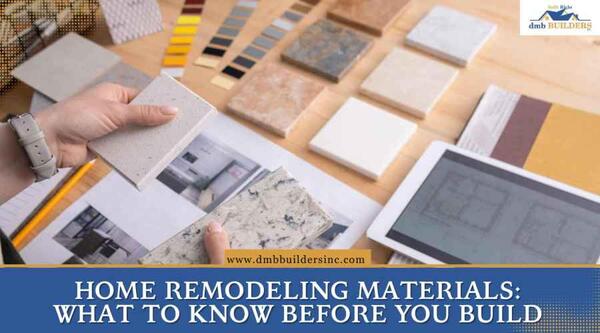
Home remodeling materials are the actual building blocks behind every renovation; the lumber, siding, flooring, countertops, and fixtures that determine how a project looks and how long it lasts. Picking the wrong ones can mean repainting every couple of years, dealing with mold behind a shower wall, or replacing a floor way sooner than you should have to. Picking the right ones means your remodel holds up, looks good, and doesn't need constant attention.
- What is Home Remodeling?
- What Are the Most Common Home Remodeling Materials?
- Structural & Exterior Materials: Building the Bones of Your Home
- Surfaces & Finishes: The Materials You See and Touch Every Day
- Fixtures & Systems: The Details That Make a Home Function
- How to Choose the Right Home Remodeling Materials?
- Why Consult a Professional Remodeling Contractor?
- Choose the Best Home Remodeling Material for Your Next Project
- Frequently asked questions
- How do I choose the best home remodeling materials for longevity?
- What is the difference between engineered and natural renovation materials?
- Which flooring material has the highest Janka hardness rating?
- How do premium building materials affect indoor air quality?
- What are the most moisture-resistant materials for a bathroom remodel?
What is Home Remodeling?
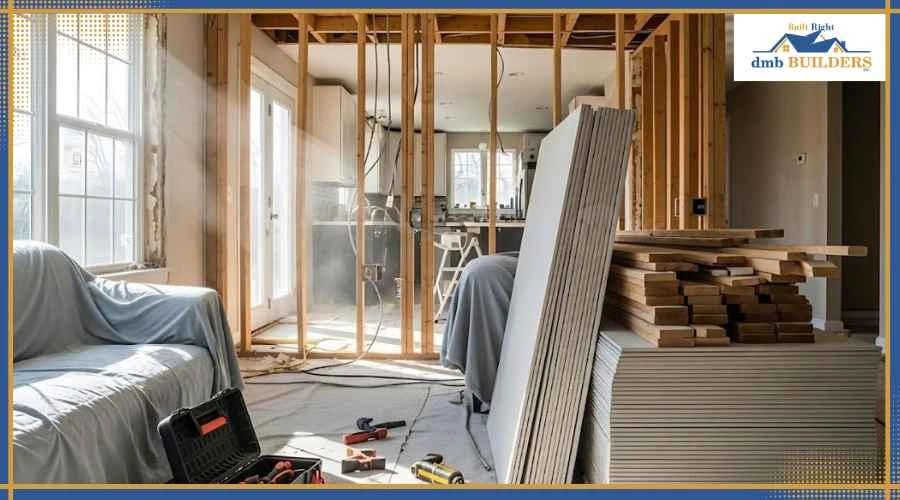
Home remodeling means changing the structure, layout, or function of an existing space, not just repainting a wall or swapping out a light fixture. It covers everything from a full kitchen gut job to adding a bathroom, finishing a basement, or reconfiguring a floor plan to open up a cramped layout. People usually turn to remodeling when a space stops working for how they actually live; the kitchen is too small for a growing family, the bathroom layout is outdated, or the house just needs a serious refresh after years of wear.
What Are the Most Common Home Remodeling Materials?
Every remodel pulls from a handful of material categories, whether it's a small bathroom refresh or a full home renovation. Here's a breakdown of what those categories are and what falls under each one.
Structural & Exterior Materials: Building the Bones of Your Home
These materials form the bones of the house and protect it from the outside world. Get these wrong and everything built on top of them suffers:
- Lumber & Composites: framing lumber, engineered wood, and composite decking used for structure and outdoor builds.
- Siding & Stucco: the exterior skin of the house, including fiber-cement, vinyl, wood, and traditional stucco finishes.
- Roofing: asphalt shingles, metal panels, tile, and underlayment that shield the entire structure from the elements.
- Foundation & Concrete: footings, slabs, and concrete mixes that everything else in the home is built on top of.
- Drywall & Insulation: interior wall material and the insulation behind it that affects temperature control and energy bills.
Surfaces & Finishes: The Materials You See and Touch Every Day
This is what you actually see and touch every day, so it gets the most attention during a remodel:
- Flooring: hardwood, tile, vinyl plank, and carpet, chosen based on room, traffic, and moisture exposure.
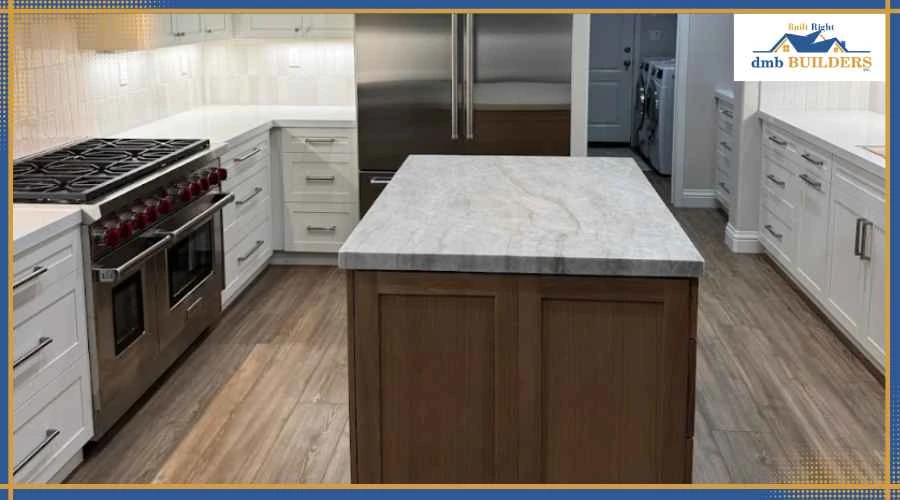
- Countertops: quartz, granite, marble, and butcher block, usually the centerpiece of a kitchen or bathroom.
- Backsplash & Wall Tile: tile used behind counters and on accent walls, picked for style as much as stain resistance.
- Paint & Trim: wall finishes, baseboards, and molding that tie a room together and protect surfaces from daily wear.
Fixtures & Systems: The Details That Make a Home Function
These are the functional pieces that make a space actually work, not just look good:
- Kitchen & Bath: sinks, faucets, tubs, showers, and toilets, the fixtures that get used the most and need to hold up over time.
- Cabinetry: storage for kitchens, bathrooms, and closets, ranging from stock to fully custom builds.
- Windows & Doors: entry points that affect security, natural light, and how well a home holds onto heat or air conditioning.
- Electrical & Lighting: wiring, panels, and fixtures that need to meet code and support how a room is actually used.
- Plumbing: pipes, valves, and water lines that often need upgrading in older homes before a remodel can move forward.
How to Choose the Right Home Remodeling Materials?
Picking materials isn't just about what looks best in a showroom; it's about what fits your budget, your climate, and how much upkeep you're actually willing to do. Here's what to weigh before making a final call:
- Budget: figure out how much you can realistically spend before falling in love with a premium material you can't afford everywhere.
- Durability: consider how much daily wear a material will take, especially in kitchens, bathrooms, and high-traffic areas.
- Climate: materials that hold up in a dry climate might fail fast in a humid or coastal one, so match the material to where you live.
- Maintenance: some materials need regular sealing, repainting, or cleaning, while others are close to set-it-and-forget-it.
- Resale Value: certain materials and finishes tend to appeal to a wider range of future buyers if you plan to sell down the line.
- Indoor Air Quality: some paints, adhesives, and finishes release more fumes than others, which matters for homes with kids, pets, or allergies.
Why Consult a Professional Remodeling Contractor?
A contractor isn't just there to swing a hammer; they help you avoid expensive mistakes before they happen. Here's what a good one actually brings to the table:
- Code Compliance: contractors know the local building codes and permit requirements that homeowners usually don't, which keeps a project from getting flagged or shut down.
- Material Sourcing: an experienced contractor has relationships with suppliers and knows which products actually perform as advertised versus which ones just look good on a shelf.
- Avoiding Costly Mistakes: a professional can catch problems like moisture issues, structural concerns, or bad layouts before they turn into expensive repairs later.
- Warranty and Accountability: reputable contractors stand behind their work, so if something goes wrong after the project wraps, you're not on your own.

Choose the Best Home Remodeling Material for Your Next Project
Home remodeling materials aren't just a checklist item; they're the difference between a renovation that holds up for decades and one you're redoing in five years. Taking the time to understand what each material is actually good for, and being honest about your budget and how much maintenance you want to deal with, makes the whole process a lot less stressful.
Ready to start your remodel? Connect with our team at dmb Builders Inc to choose the right materials for your project and build something that lasts.
Frequently asked questions
How do I choose the best home remodeling materials for longevity?
Look at how a material performs under daily use and in your specific climate, not just how it looks on day one. Durable options like fiber-cement siding or engineered quartz tend to outlast cheaper alternatives, even if they cost more upfront.
What is the difference between engineered and natural renovation materials?
Engineered materials, like quartz countertops or composite decking, are manufactured to be more consistent and often more resistant to moisture and wear. Natural materials, like marble or solid wood, offer unique character but usually need more maintenance to stay in good shape.
Which flooring material has the highest Janka hardness rating?
Hardwoods like hickory and hard maple rank near the top of the Janka scale, meaning they resist dents and scratches better than softer woods like pine. Exotic species and some engineered hardwoods with a hardened wear layer can rank even higher.
How do premium building materials affect indoor air quality?
Lower-quality adhesives, paints, and pressed-wood products can release more volatile organic compounds (VOCs) into the air, especially right after installation. Premium, low-VOC materials cut down on those fumes, which makes a noticeable difference for anyone with allergies or breathing sensitivities.
What are the most moisture-resistant materials for a bathroom remodel?
Moisture-resistant drywall (often called greenboard or purpleboard), porcelain tile, and engineered quartz all hold up well in a humid bathroom environment. Proper waterproofing behind tile and around showers still matters no matter which materials you choose.

Recent Posts
-

Bathroom Remodel Checklist for Homeowners
Jun 03, 2026