
The average bathroom size in a standard residential home is 40 to 50 square feet, typically built as a 5-by-8-foot rectangle for a full bath. Knowing this measurement—and the standard dimensions for half baths and primary suites—is the critical first step before you begin planning a remodel. Establishing the correct dimensions ensures your layout functions properly, meets local building codes, and prevents expensive construction delays. This guide provides exact measurements and code requirements to help you plan your upcoming renovation accurately.
Average Bathroom Size Chart by Type
Determining the correct layout requires knowing the baseline square footage for different bathroom styles. Use this quick reference chart to identify the average bathroom size for common residential builds:
| Bathroom Type | Average Dimensions | Square Footage |
| Half Bath | 3-by-6-feet | 18 to 30 sq ft |
| Three-Quarter Bath | 5-by-7-feet | 32 to 50 sq ft |
| Full Bath | 5-by-8-feet | 40 to 50 sq ft |
| Primary En Suite | 10-by-10-feet | 100+ sq ft |
Standard Bathroom Layouts for Residential Homes
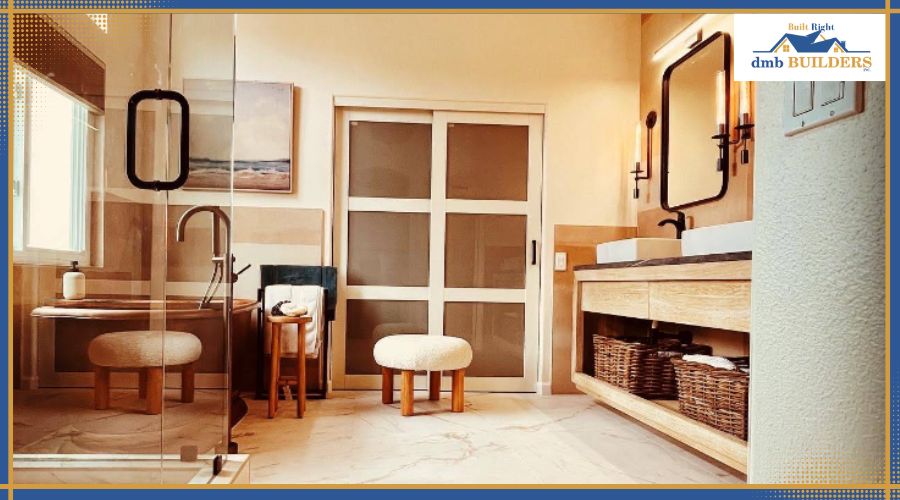
Different bathroom layouts serve specific functions in your home. These are the four standard classifications you will encounter in residential construction:
- Half Bath: A small utility room containing only a toilet and a sink. Homeowners typically place these on the main floor to accommodate guests.
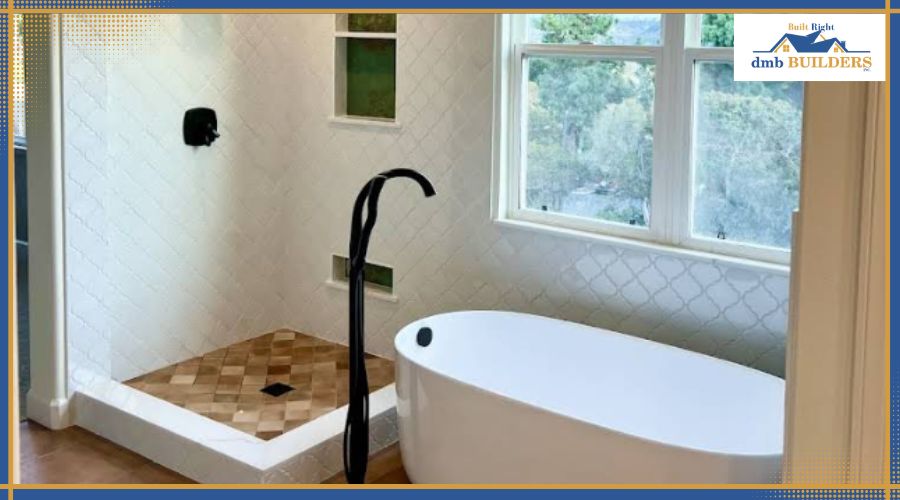
- Three-Quarter Bath: A functional washroom equipped with a toilet, a sink, and a walk-in shower, but no bathtub.
- Full Bath: A complete layout designed for daily family use. It includes a vanity, a toilet, and a standard tub-shower combination.
- Primary En Suite: A private, attached bathroom dedicated to the main bedroom. These spaces require more square footage to accommodate features like dual vanities and independent soaking tubs.
Detailed Breakdown of Average Bathroom Sizes
Applying the exact square footage requirements helps you draft a realistic floor plan. Use these standard measurements to map out your structural changes:
- Half Bath Dimensions: A standard half bath requires 18 to 30 square feet. Contractors typically frame these in a 3-by-6-foot or 4-by-5-foot footprint.
- Three-Quarter Bath Dimensions: A standard layout without a tub requires 32 to 50 square feet. This comfortably fits within a 5-by-7-foot area.
- Full Bath Dimensions: The average bathroom size for a full layout is 40 to 50 square feet. The industry standard is a 5-by-8-foot rectangle.
- Primary En Suite Dimensions: A fully equipped primary bathroom requires a minimum of 100 square feet. Larger homes often dedicate over 200 square feet to these specialized spaces.
Bathroom Building Codes and Minimum Clearances
A compliant structural design must meet municipal building codes. Adhering to these minimum clearances guarantees occupant safety and ensures your project passes inspection:
- Toilet Spacing: Building codes require at least 15 inches of clearance from the center of the toilet flange to any adjacent wall or fixture. You also need 21 inches of clear floor space directly in front of the bowl.
- Shower Sizing: The minimum legal footprint for a shower base is 30-by-30 inches. However, contractors recommend a 36-by-36-inch layout to provide adequate room for daily use.
- Ventilation Rules: You must install an operable window providing at least 3 square feet of open space or a mechanical exhaust fan capable of venting 50 cubic feet of air per minute (CFM).
- Ceiling Heights: Standard codes require a minimum ceiling height of 80 inches above all fixtures, including the main walking area and inside the shower enclosure.
Why You Need a Licensed General Contractor
While replacing cosmetic hardware is a standard DIY task, structural and plumbing modifications require professional execution. A licensed remodeling contractor handles the technical demands of your project:
- Permit Management: Contractors file municipal paperwork, secure permits, and schedule the mandatory inspections for structural, plumbing, and electrical work.
- Plumbing Relocation: Licensed tradesmen properly vent and route soil stacks and supply lines through wall cavities without damaging load-bearing framing.
- Code Compliance: Professionals verify that every spatial clearance, GFCI outlet, and exhaust duct strictly adheres to local building ordinances.
- Waterproofing Protection: Proper installation of waterproof membranes and shower pans prevents structural rot and stops toxic mold growth.
Plan Your Bathroom Renovation Safely
Securing the correct dimensions establishes the technical foundation for your project. When you build within your spatial limits and adhere to established safety codes, your renovation will progress efficiently. To ensure a high-quality finish, trust a qualified expert for your upcoming bathroom remodeling project.
dmb Builders Inc is a home improvement contractor in Carlsbad CA, specializing in comprehensive home remodeling, kitchen remodeling, bathroom remodeling, and 3D design services for local homeowners.
Frequently Asked Questions
What is the average size of a full bathroom?
The average full bathroom size is 40 to 50 square feet. Contractors typically frame this as a 5-by-8-foot rectangle. This footprint provides sufficient space for a standard vanity, toilet, and a tub-shower combination.
What are the minimum dimensions for a primary bath?
A complete primary bath requires a minimum of 100 square feet. This footprint provides the necessary space for dual vanities, a walk-in shower, a freestanding tub, and mandatory code clearances.
How much space do I need for a walk-in shower?
The required legal minimum interior dimension for a walk-in shower is 30-by-30 inches. For functional daily use, building professionals recommend a minimum footprint of 36-by-36 inches.
What is the standard size for a powder room?
The standard size for a powder room is 18 to 30 square feet. These compact spaces easily fit into 3-by-6-foot or 4-by-5-foot layouts, offering just enough clearance for a toilet and a sink.
Does a 40-sq-ft bathroom add value to my home?
Yes, upgrading a 40-square-foot bathroom adds value by improving functionality and updating outdated plumbing. The actual return on investment depends on material selection, current market conditions, and overall execution quality.

Recent Posts
-

Bathroom Remodel Checklist for Homeowners
Jun 03, 2026