
The best home remodeling ideas focus on high-impact, cost-efficient upgrades like painting cabinets, updating hardware, sealing air leaks, and refinishing existing floors. Executing these cost-effective projects improves your home's aesthetic appeal and functionality without requiring a full structural renovation. By combining strategic do-it-yourself (DIY) efforts with focused cosmetic updates, homeowners can modernize their living spaces affordably.
While full renovations demand significant capital, cost-friendly home remodeling prioritizes small, calculated modifications. This guide details 27 accessible strategies, ranging from zero-cost optimizations to structural refreshes—that upgrade your home's value and appearance.
- How to Plan For the Cost of Your Home Remodeling
- Step 1: Set a Strict Home Remodeling Project Cost
- Step 2: Prioritize High-ROI Home Improvements
- Step 3: Gather Design and Architecture Inspiration
- Step 4: Make a Master List of Supplies and Tools
- Step 5: Avoid Dangerous DIY Remodeling Tasks
- Free Home Remodeling Ideas for Immediate Impact
- Declutter and Organize Spaces Ruthlessly
- Deep Clean Ignored Surfaces and Fixtures
- Rearrange Furniture to Improve Spatial Flow
- Repurpose Existing Art and Room Decor
- What Home Remodeling Projects Cost Under $150?
- 1. Paint an Accent Wall for Visual Depth
- 2. Upgrade Outdated Cabinet and Door Hardware
- 3. Frame Builder-Grade Bathroom Mirrors
- 4. Replace Standard Plastic Switch Plates
- 5. Paint Your Front Door to Boost Curb Appeal
- 6. Install Modern Exterior House Numbers
- 7. Restore Dingy Tile with Grout Colorant
- The Best Home Remodels Under $500
- 8. Install a Modern Kitchen or Bathroom Faucet
- 9. Apply a Peel-and-Stick Kitchen Backsplash
- 10. Install Plug-In Under-Cabinet LED Lighting
- 11. Replace Outdated Ceiling Light Fixtures
- 12. Upgrade to a High-Pressure Showerhead
- 13. Add Architectural Wall Trim or Molding
- Cheap Flooring Options for a Home Remodel
- 14. Install Peel-and-Stick Vinyl Floor Tiles
- 15. Lay Luxury Vinyl Plank (LVP) Flooring
- 16. Refinish Existing Hardwood Floors
- How to Improve Exterior Curb Appeal Wisely
- 17. Power Wash Siding and Concrete Patios
- 18. Edge Garden Beds and Spread Fresh Mulch
- 19. Plant Low-Maintenance Native Species
- 20. Build a DIY Paver or Gravel Patio
- 21. Hang Ambient Outdoor String Lights
- Home Remodels That Add Maximum Value
- 22. Paint or Refinish Kitchen Cabinets
- 23. Restore and Paint Vintage Furniture
- 24. Seal Window and Door Air Leaks
- 25. Install an Energy-Saving Smart Thermostat
- 26. Switch to Energy-Efficient LED Lighting
- 27. Upgrade Attic Insulation for Energy Efficiency
- When to DIY vs. Hire a Pro for Home Improvements
- Executing Your Dream Home Remodel
- Frequently Asked Questions
- How can I remodel my house cost-wise?
- What is the cheapest way to remodel a kitchen?
- How can I make my house look better?
- What cost-friendly home improvements have the best return on investment (ROI)?
- Where should I start with a cost-friendly remodel?
How to Plan For the Cost of Your Home Remodeling
Effective project management prevents cost overruns. Establish a clear financial limit, select projects with the strongest return on investment (ROI), and document all required materials before beginning demolition.
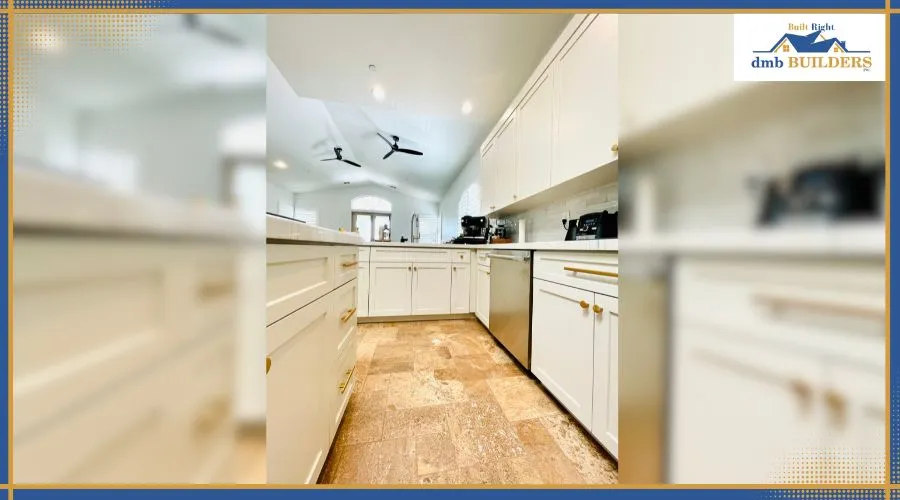
Step 1: Set a Strict Home Remodeling Project Cost
Determine a strict financial ceiling before purchasing materials. A documented project dictates the project's scope and acts as the primary defense against unexpected expenses.
Step 2: Prioritize High-ROI Home Improvements
Target projects that generate substantial visual changes for minimal financial input. Focus on the highest ROI home improvements to protect your equity. National housing data confirms that minor, cosmetic updates consistently yield better percentage returns than massive overhauls.
Step 3: Gather Design and Architecture Inspiration
Compile reference images using digital boards or design publications. Defining a rigid visual aesthetic prevents mismatched material purchases and ensures design continuity across rooms.
Step 4: Make a Master List of Supplies and Tools
Draft an exact inventory of tools, fasteners, and materials. A complete procurement list streamlines the workflow and eliminates costly, mid-project hardware store runs.
Step 5: Avoid Dangerous DIY Remodeling Tasks
Acknowledge the technical limits of DIY work. Modifying load-bearing walls, rerouting plumbing lines, or altering electrical panels requires professional licensing. DIY errors in these zones cause severe safety hazards and expensive property damage.
Free Home Remodeling Ideas for Immediate Impact
The most efficient aesthetic upgrades rely on labor rather than capital. Deep cleaning, spatial reorganization, and asset repositioning alter a room's atmosphere for free.
Declutter and Organize Spaces Ruthlessly
Removing excess items expands spatial perception. Clear surfaces and organized storage make any room appear larger, cleaner, and more current.
Deep Clean Ignored Surfaces and Fixtures
Scrub highly visible but frequently ignored areas like grout lines, baseboards, window tracks, and switch plates. Removing accumulated grime instantly restores a home's baseline appearance.
Rearrange Furniture to Improve Spatial Flow
Reposition heavy furniture to open traffic pathways. Altering the floor plan changes how natural light interacts with the room and improves daily usability.
Repurpose Existing Art and Room Decor
Rotate rugs, mirrors, and artwork between different rooms. Relocating a familiar piece of decor forces the eye to register it as a new element in its modified environment.
What Home Remodeling Projects Cost Under $150?
Minor material investments yield significant visual returns. Focus on high-visibility surfaces and tactile touchpoints.
1. Paint an Accent Wall for Visual Depth
A single, contrasting wall redefines spatial boundaries. High-grade interior paint and application supplies cost under $100. Consider geometric color blocking to add architectural interest with minimal material usage.
2. Upgrade Outdated Cabinet and Door Hardware
Swapping oxidized or dated handles for modern metal finishes is a highly effective aesthetic update. Standardize hardware styles across all interior doors and cabinetry to unify the home's design language.
3. Frame Builder-Grade Bathroom Mirrors
Enclose raw mirror edges with painted or stained wood trim. Applying standard casing with construction adhesive converts a basic sheet of glass into a custom focal point for roughly $50.
4. Replace Standard Plastic Switch Plates
Discard cracked or yellowed plastic outlet covers. Installing metal, wood, or matte-finish plates instantly upgrades the room's peripheral details.
5. Paint Your Front Door to Boost Curb Appeal
Applying exterior-grade paint to a front door creates an immediate focal point. This simple surface treatment sharply elevates neighborhood curb appeal.
6. Install Modern Exterior House Numbers
Remove tarnished brass or plastic numerals. Mounting oversized, contemporary house numbers clarifies property identification and modernizes the exterior facade.
7. Restore Dingy Tile with Grout Colorant
Epoxy grout pens or colorant sealers mask permanent stains. Recoloring existing grout lines makes aged ceramic or porcelain tile look freshly installed.
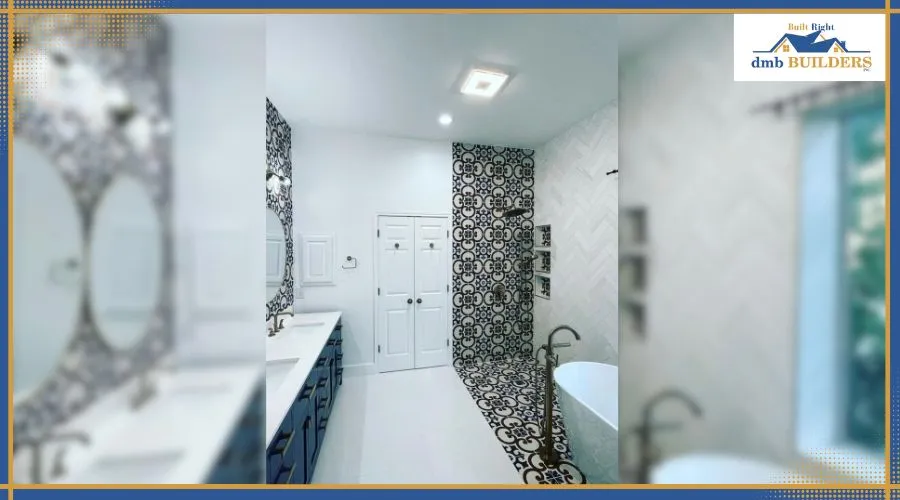
The Best Home Remodels Under $500
Mid-tier project costs allow for fixture replacement and specialized material installations.
8. Install a Modern Kitchen or Bathroom Faucet
A modern plumbing fixture anchors a kitchen remodeling update. Reliable, brand-name faucets start at $150. Always shut off local water valves and apply thread seal tape to prevent sub-cabinet flooding.
9. Apply a Peel-and-Stick Kitchen Backsplash
Vinyl or aluminum adhesive tiles mimic traditional masonry without mortar. Success requires clinical surface preparation; walls must be entirely smooth, degreased, and dry to prevent adhesive failure.
10. Install Plug-In Under-Cabinet LED Lighting
Eliminate countertop shadows with targeted task lighting. Plug-in LED strips or battery-operated puck lights offer functional illumination without requiring a licensed electrician.
11. Replace Outdated Ceiling Light Fixtures
Replacing a builder-grade chandelier or flush mount modernizes vertical space. Warning: De-energize the circuit at the main breaker panel before handling any wiring. According to NFPA electrical safety guidelines, DIY electrical errors frequently cause severe shock and property fires.
12. Upgrade to a High-Pressure Showerhead
Thread a rain-canister or multi-setting handheld showerhead onto the existing plumbing arm. This single modification upgrades daily utility with zero wall demolition.
13. Add Architectural Wall Trim or Molding
Install board-and-batten, wainscoting, or crown molding. Applied linear trim adds structural texture and visual weight to flat drywall surfaces.
Cheap Flooring Options for a Home Remodel
Replacing damaged or dated flooring revitalizes the entire footprint of a home.
14. Install Peel-and-Stick Vinyl Floor Tiles
Adhesive vinyl squares provide a rapid, low-cost surface masking. Confine this application to low-moisture environments to prevent edge peeling.
15. Lay Luxury Vinyl Plank (LVP) Flooring
LVP flooring resists water and handles heavy impact. The floating, click-lock design allows for direct installation over level subfloors, generating a strong ROI through extreme durability.
16. Refinish Existing Hardwood Floors
Sanding and resealing original hardwood generates one of the highest returns in real estate. For light surface scratches, a chemical screen-and-recoat process restores the finish without aggressive drum sanding.
How to Improve Exterior Curb Appeal Wisely
Protecting and styling the building envelope prevents decay and signals strong property maintenance.
17. Power Wash Siding and Concrete Patios
Pressurized water removes oxidized paint, algae, and atmospheric dirt from siding, concrete walkways, and timber decks.
18. Edge Garden Beds and Spread Fresh Mulch
Cut sharp, defined perimeters around landscaping zones. Applying a uniform layer of dark mulch suppresses weed growth and sharpens the yard's visual contrast.
19. Plant Low-Maintenance Native Species
Cultivate regional perennials. Native horticulture requires less irrigation and chemical intervention, reducing seasonal maintenance costs.
20. Build a DIY Paver or Gravel Patio
Excavate a level footprint and install a weed barrier, crushed stone base, and concrete pavers. This approach builds functional square footage outdoors without the material costs of a raised deck.
21. Hang Ambient Outdoor String Lights
Suspend commercial-grade string lights across exterior seating areas. Overhead illumination expands usable outdoor hours and defines open-air boundaries.
Note on exterior integrity: While assessing the exterior, monitor the condition of your upper structure. Recognizing the signs you need a new roof prevents water intrusion from destroying your newly updated interior.
Home Remodels That Add Maximum Value
Capital allocation should prioritize energy efficiency and high-traffic functionality.
22. Paint or Refinish Kitchen Cabinets
Sanding, priming, and spraying existing wooden cabinets costs a fraction of complete replacement. The durability of the final coat depends entirely on rigorous degreasing and abrasion prior to paint application.
23. Restore and Paint Vintage Furniture
Strip and stain solid wood furniture instead of buying fast-furniture alternatives. Restoring older pieces secures high-quality construction at a low price point.
24. Seal Window and Door Air Leaks
Injecting silicone caulk around window frames and replacing door weatherstripping prevents thermal transfer. According to the U.S. Department of Energy, sealing structural air leaks yields significant reductions in seasonal heating and cooling costs.
25. Install an Energy-Saving Smart Thermostat
Digital thermostats optimize HVAC runtime based on occupancy patterns. This hardware automation immediately reduces energy consumption.
26. Switch to Energy-Efficient LED Lighting
Swap all incandescent and CFL bulbs for LED equivalents. LEDs draw fractional wattage and significantly lower baseline electricity usage.
27. Upgrade Attic Insulation for Energy Efficiency
Adding blown-in cellulose or fiberglass batts to the attic floor regulates internal temperatures. Consistent thermal barriers lower mechanical strain on HVAC equipment.
When to DIY vs. Hire a Pro for Home Improvements
Identifying the boundary between DIY capability and professional necessity prevents catastrophic property damage. When structural limits are reached, property owners must evaluate the costs of a remodel vs. rebuild scenario.
| Project Category | Appropriate for DIY Execution | Requires Licensed Professional |
| Painting & Finishes | Interior drywall, doors, trim, and prepared cabinetry. | Multi-story exterior painting, hazardous material removal (lead/asbestos). |
| Fixtures & Hardware | Cabinet pulls, interior door handles, and basic showerheads. | Hardwired ceiling fans, complex chandelier mounting. |
| Kitchen & Bath | Adhesive backsplashes, mirror framing, and grout restoration. | Moving supply lines, installing custom stone counters, setting shower pans. |
| Electrical | Replacing standard faceplates (with main breaker OFF). | Running new circuits, upgrading panels, installing new gang boxes. |
| Flooring | Floating LVP systems and adhesive vinyl. | Sanding hardwood (deep gouges), stretching broadloom carpet, setting mortar tile. |
| Structural | Assembling storage units and surface shelving. | Removing load-bearing walls, altering roof trusses, pouring concrete footings. |
Executing complex modifications safely demands technical expertise. Consulting with a reputable home remodeling firm ensures all heavy construction meets municipal building codes and zoning laws.
Executing Your Dream Home Remodel
A successful home remodel relies on tactical material selection and precise labor application. By avoiding structural modifications and maximizing cosmetic upgrades, you elevate property value while preserving capital. Assess your technical limits, prioritize energy-saving modifications, and focus on high-traffic areas to secure the strongest return on your investment. Whether you’re planning a full home remodel or a budget-friendly bathroom remodel, applying these same cost-conscious principles keeps your project on budget.
dmb Builders Inc is a home improvement contractor in Carlsbad CA, specializing in comprehensive home remodeling, kitchen remodeling, bathroom remodeling, and 3D design services for local homeowners.
Frequently Asked Questions
How can I remodel my house cost-wise?
Remodel on a strict project cost by prioritizing high-visibility cosmetic changes. Execute deep cleaning and decluttering first, then apply fresh interior paint, modernize cabinet hardware, and upgrade standard lighting fixtures. These low-material-cost updates drastically alter the visual environment.
What is the cheapest way to remodel a kitchen?
The most cost-effective kitchen remodel utilizes existing architecture. Sand and paint current cabinetry, replace oxidized handles, install a modern primary faucet, and apply a peel-and-stick vinyl backsplash. This avoids the high costs of custom milling and heavy stone fabrication.
How can I make my house look better?
Enhance interior aesthetics by establishing a cohesive color palette. Apply neutral wall paint, replace yellowed switch plates, and maximize natural light by cleaning windows and minimizing heavy drapery. Focus on symmetry and cleanliness to project a modernized appearance.
What cost-friendly home improvements have the best return on investment (ROI)?
Based on national cost-vs-value metrics, the highest ROI projects improve energy efficiency and surface aesthetics. Refinishing existing hardwood floors, upgrading attic insulation, painting exterior siding, and executing minor kitchen surface updates consistently yield the strongest financial returns.
Where should I start with a cost-friendly remodel?
Begin with thorough project documentation and cost estimation. After establishing financial limits, start with zero-cost tasks: decluttering and deep cleaning. Progress to a small, isolated space—such as a half-bathroom—to test DIY capabilities before attempting larger, more complex zones.

Recent Posts
-

Bathroom Remodel Checklist for Homeowners
Jun 03, 2026