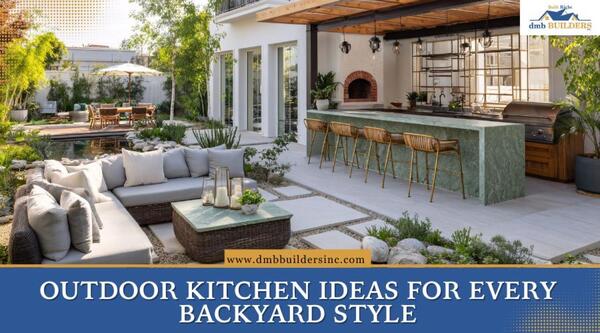
Successful outdoor kitchen ideas prioritize a functional layout, weather-resistant materials, and proximity to indoor utilities. The most effective designs incorporate a dedicated cooking zone, ample counter space for preparation, and high-performance appliances like 304-grade stainless steel grills. Proper planning ensures the space serves as a durable extension of the home while withstanding local environmental factors.
This technical overview serves as a blueprint for your project. We analyze design trends, material specifications, and engineering steps required for a high-quality installation. A professional backyard remodeling in Carlsbad transforms a standard patio into a high-utility social hub.
- Critical Factors Impacting Outdoor Kitchen Construction Costs
- Strategic Planning Framework for Custom Outdoor Kitchens
- 1. Defining the Primary Use Case
- 2. Site Selection and Environmental Factors
- 3. Implementing the Outdoor Work Triangle
- 4. Required Countertop Landing Zones
- 5. Material Resilience and Climate Data
- 6. Early Utility Integration
- 7. Regulatory and Code Compliance
- Architectural Styles and Layout Configurations
- Style Profiles
- Spatial Optimization for Diverse Backyard Footprints
- Material Selection for Long-Term Structural Integrity
- Countertop Performance Comparison
- Cabinetry Material Performance
- Technical Specifications for Outdoor Appliances
- Identifying and Avoiding Technical Errors in Outdoor Kitchen Projects
- From Vision to Reality
- Frequently Asked Questions
- What should every outdoor kitchen have?
- How do you choose the best location for an outdoor kitchen?
- What are the latest trends in outdoor kitchens?
- How do you create a functional outdoor kitchen layout?
- What are the most durable materials for outdoor countertops?
Critical Factors Impacting Outdoor Kitchen Construction Costs
Before finalizing a design, property owners must understand the variables that dictate the project budget. Total investment depends on footprint size, material density, appliance grade, and utility complexity.
The primary cost driver is the choice between custom masonry and modular systems. Custom builds require specialized labor and extended timelines. However, these projects offer superior structural integrity. You can evaluate average outdoor kitchen costs to determine which path aligns with your financial goals. Opting for professional-grade modular kits can streamline the process while maintaining a high-end aesthetic.
Strategic Planning Framework for Custom Outdoor Kitchens
Thoughtful engineering prevents expensive revisions. Use these seven criteria to establish a functional design blueprint.

1. Defining the Primary Use Case
Establish the kitchen's main role before selecting appliances. A space designed for large-scale hosting requires different spatial planning than an intimate family dining area. Hosting-focused designs prioritize guest flow and peripheral seating.
2. Site Selection and Environmental Factors
Placement has significant practical consequences. Consider the distance to the indoor kitchen and access to existing gas or water lines. Evaluate wind patterns to ensure smoke moves away from guests.
3. Implementing the Outdoor Work Triangle
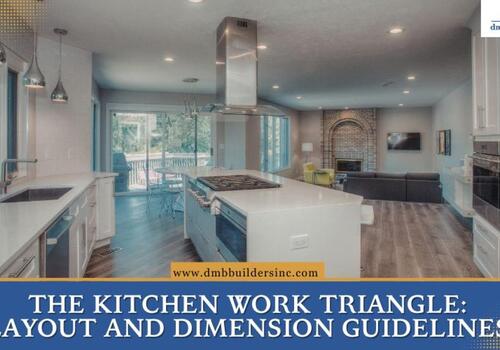
Efficient movement depends on the "work triangle" principle. This layout connects the cold zone (refrigeration), the hot zone (grill), and the wet zone (sink). Referencing efficient kitchen layouts helps minimize unnecessary movement for the cook.
4. Required Countertop Landing Zones
A common error is insufficient counter space. You must include "landing zones" next to heat sources. A minimum of 18 to 24 inches of clear space next to the grill is mandatory for safe food handling.

5. Material Resilience and Climate Data
Local weather dictates material longevity. Coastal environments require marine-grade 316 stainless steel to resist salt-air corrosion. In regions with temperature swings, porous tiles may crack during freeze-thaw cycles.
6. Early Utility Integration
Install gas, water, and electrical lines during the initial phase. Retrofitting these systems involves costly demolition of hardscaping. Ensure all outlets are exterior-rated and utilize Ground Fault Circuit Interrupters (GFCI).
7. Regulatory and Code Compliance
Research local building codes and Homeowners' Association (HOA) rules. Regulations often dictate property line setbacks and permit requirements for gas lines. Following a home remodeling checklist ensures you meet all legal safety standards.
Architectural Styles and Layout Configurations
Once the technical foundation is set, select a style that complements the existing architecture.

Style Profiles
- Modern Minimalism: Features clean lines and neutral tones. Materials include poured concrete and handleless cabinetry.
- Rustic Naturalism: Utilizes organic textures like stacked stone and granite. Teak wood accents add warmth to the structure.
- Coastal Aesthetic: Focuses on light-colored stucco and open-air beverage centers. This style creates a relaxed, vacation-like atmosphere.
Spatial Optimization for Diverse Backyard Footprints
The dimensions of your yard determine the most effective configuration.
- Small Patios: Use linear (galley) or L-shaped layouts to keep the work triangle compact.
- Standard Backyards: The L-shaped design is the industry standard. it provides a natural workflow and clear separation between cooking and dining areas.
- Expansive Estates: A U-shaped layout creates a semi-enclosed hub. This configuration accommodates luxury upgrades like pizza ovens and bar-style seating.

Material Selection for Long-Term Structural Integrity
Material performance depends on UV resistance and porosity. For example, some engineered quartz can yellow when exposed to direct sunlight, whereas natural quartzite remains stable.
Countertop Performance Comparison
| Material | Durability | Maintenance | Best Feature |
| Granite | High | Annual Sealing | Heat and UV Resistance |
| Quartzite | Very High | Periodic Sealing | Scratch Resistance |
| Concrete | High | High Sealing | Full Customization |
| Porcelain | High | Low (Grout only) | Stain Resistance |
Cabinetry Material Performance
| Material | Pros | Cons |
| Stainless Steel | Corrosion-resistant | Retains heat in sun |
| Powder-Coated Aluminum | High color variety | Coating can chip |
| High-Density Polyethylene | Waterproof | Lower heat resistance |
Technical Specifications for Outdoor Appliances
Equip the kitchen with components designed for thermal fluctuations.
- The Essentials: High-performance grills and outdoor-rated refrigerators are the core of the system.
- Performance Upgrades: Side burners and warming drawers increase the kitchen's total cooking capacity.
- Luxury Integration: Built-in kegerators and voice-activated LED lighting systems provide a modern touch.
Identifying and Avoiding Technical Errors in Outdoor Kitchen Projects
Avoid these common pitfalls to protect your investment:
- Improper Lighting: A lack of task lighting over work surfaces makes evening cooking hazardous.
- Indoor Material Use: Never use indoor-rated wood or stone. These materials warp or discolor when exposed to moisture.
- Drainage Neglect: Ensure the floor and counters slope correctly to prevent water pooling.
- Inadequate Ventilation: Grills in enclosed areas require professional-grade vent hoods to prevent heat and smoke buildup.
From Vision to Reality
A professional outdoor kitchen combines precise engineering with durable materials. This investment increases property value and improves daily functionality. By following a structured planning process, you can transition from a basic concept to a high-performance culinary space.
We are ready to assist with your project. Contact our team to begin your technical consultation and design phase. dmb Builders Inc is a home improvement contractor in Carlsbad CA, specializing in comprehensive home remodeling, kitchen remodeling, bathroom remodeling, and 3D design services for local homeowners.
Frequently Asked Questions
What should every outdoor kitchen have?
Every outdoor kitchen requires a professional grill, an outdoor-rated refrigerator, a functional sink, and weatherproof storage. These components form the foundation of a high-utility space.
How do you choose the best location for an outdoor kitchen?
The ideal site offers easy access to the indoor kitchen and existing utilities. It must also account for environmental factors like wind direction and sun exposure.
What are the latest trends in outdoor kitchens?
Current trends include the integration of smart technology, wood-fired pizza ovens, and dedicated beverage centers with built-in refrigeration.
How do you create a functional outdoor kitchen layout?
A functional layout follows the "work triangle" principle. This ensures the grill, sink, and refrigerator are positioned for maximum efficiency and minimal foot traffic.
What are the most durable materials for outdoor countertops?
Natural granite and quartzite are the most durable options. They offer superior resistance to heat, scratches, and UV-related fading compared to synthetic alternatives.

Recent Posts
-
Bathroom Remodel Checklist for Homeowners
Jun 03, 2026