
Your roof usually stays quiet until a leak appears, but catching problems early can prevent major damage. Curling shingles, bald spots, moss growth, and rising energy bills are common signs you need a new roof. Professional Roofing services can help spot these issues early and recommend the best solution for your home.
Early detection protects your home’s structure and helps you make confident decisions about repairs or a full roof replacement. In this guide, we highlight 11 signs you need a new roof. You will learn how to spot them, understand the risks, and determine when professional roofing services are needed for long-term protection.
- Quick Checklist of Common Roof Problems
- Shingles Are Curling, Buckling, or Clawing
- Granule Loss and Bald Spots
- Moss and Algae Growth
- Rusted or Damaged Flashing
- Sagging Roof Deck
- Daylight Through Roof Boards
- Dark Spots on Ceilings
- Peeling or Blistering Exterior Paint
- Unexpected Spikes in Energy Bills
- Roof Is Approaching 20 Years of Age
- When Should You Consider Roof Repair vs Replacement?
- Roofing Material Lifespan Expectations
- Protect Your Roof to Maximize Its Lifespan
- Frequently Asked Questions
- What are the early signs of roof failure?
- How do I know if my roof has wind damage?
- Can I just repair the damaged section of my roof?
- How often should a roof be replaced in California?
- Does a new roof lower energy bills?
Quick Checklist of Common Roof Problems
Here’s a short checklist to help you spot early roof trouble before leaks or structural issues grow worse.
Curling, buckling, or clawing shingles
Granules are collecting in gutters or downspouts
Bald spots on the shingles
Moss or algae growing on the surface
Rusted, loose, or cracked flashing
A visible dip or sag in the roofline
Sunlight shining through attic boards
Brown ceiling stains or wall bubbles
Exterior paint peeling or blistering
Sudden increases in heating or cooling costs
Roof reaching 15–25+ years of age
Shingles Are Curling, Buckling, or Clawing
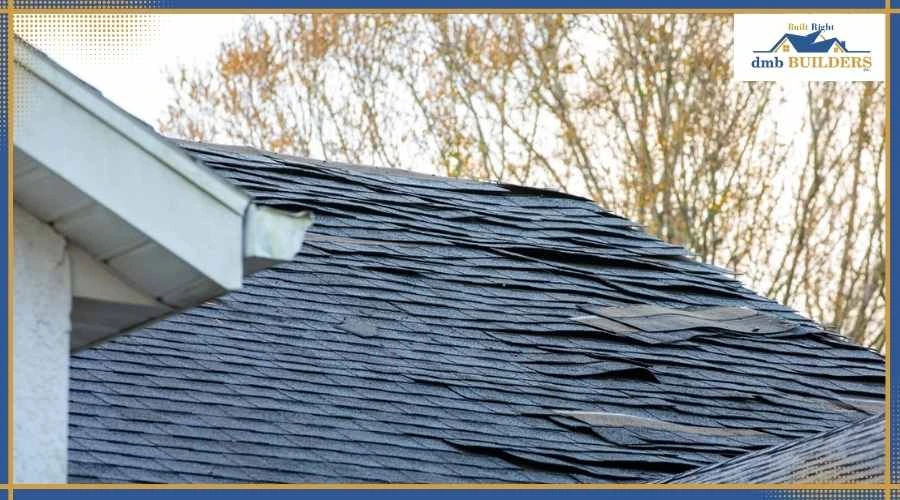
Curled or buckled shingles show that the asphalt binders have dried out and begun to shrink. The edges may turn upward, a condition called cupping. This often happens when poor attic ventilation traps moisture under the shingles.
Clawing happens when the shingle’s center rises while the edges turn down. The material becomes brittle and loses flexibility, making it prone to snapping during high winds. When shingles deform, they also lose the protective coating that shields your roof from water.
Different roofing materials age at their own pace, so knowing each lifespan helps you plan timely upgrades. If you are deciding between the most common options, watch this brief breakdown to understand the durability and design differences between 3-tab and architectural styles:
3 Tab vs Architectural Shingles | What's the Difference?
Granule Loss and Bald Spots
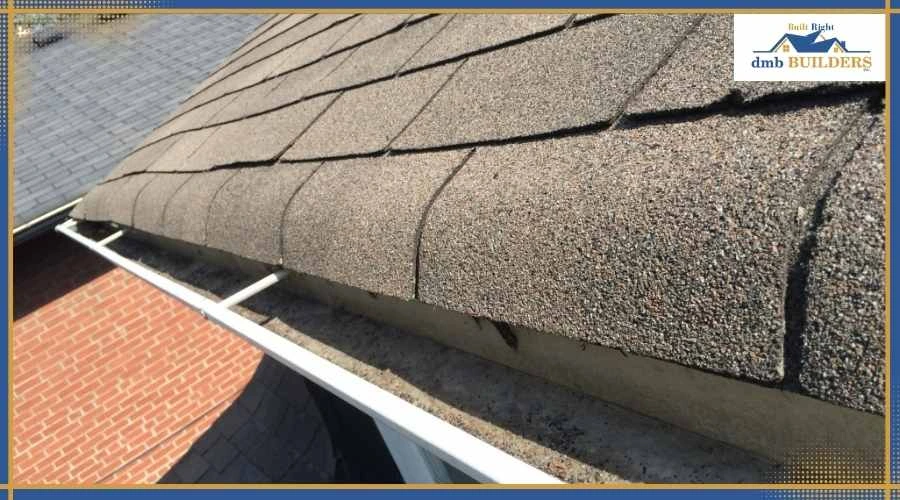
Sand-like residue in gutters or downspouts after a storm signals granule loss. These granules protect shingles from UV exposure. Once they fall off, the asphalt underneath cracks faster.
Uniform granule loss usually shows aging, while circular bald spots may indicate hail or impact damage. Once you spot bald areas, deterioration speeds up.
Moss and Algae Growth
Moss is destructive because it lifts shingles and traps moisture. Black streaks, however, are often cosmetic black streaks caused by algae feeding on limestone in the shingles.
Moss uses rhizoids to anchor into the surface, breaking the waterproof seal. It holds water like a sponge, which keeps the roof wet and leads to wood rot.
Rusted or Damaged Flashing
Flashing protects your home where the roof meets chimneys, vents, and walls. Rust, cracks, or gaps indicate that the metal is failing. In coastal areas, salt air accelerates corrosion and weakens flashing faster than shingles.
Watch for red rust stains or tar patches. Tar is often used as a temporary fix and may hide bigger issues under the surface.
Sagging Roof Deck
A sagging roofline is a structural emergency. The ridge of your roof should look straight from the street. A dip or saddle shape suggests rotting or damaged decking and trusses.
This condition usually comes from long-term moisture exposure. To prevent collapse, professional help is required immediately.
Daylight Through Roof Boards
If you see sunlight coming through the decking in your attic (not near vents), the roof has active gaps. Light entering means water can enter too.
Check the insulation under these bright spots. If it feels damp or flattened, the leak has already reached your home’s interior
Dark Spots on Ceilings
Brown stains or bubbling paint often signal slow roof leaks. Water travels along rafters and may appear far from the leak’s origin. These marks usually show up near wall corners or the tops of rooms.
If you notice any interior damage, that means exterior damage has already progressed.
Peeling or Blistering Exterior Paint
Peeling paint on the outside of your home can be a sign of poor ventilation. When humidity builds up in the attic, moisture pushes outward and causes paint to detach from the siding.
Even if shingles look fine, ventilation problems can reduce energy efficiency and harm both the exterior and interior.
Unexpected Spikes in Energy Bills
Wet insulation becomes less effective and forces your HVAC system to work harder. Insulation loses thermal resistance when moisture enters, causing heat to escape during winter and enter during summer.
If your energy bills rise suddenly, your roof may be allowing moisture inside.
Roof Is Approaching 20 Years of Age
Most asphalt roofs last between 15 and 25 years. Three-tab shingles average 15–20 years, while architectural shingles last 20–25 years. Tile and metal roofs last longer but still require regular inspections.
Homes in sunny or coastal regions may see faster material degradation. If nearby homes of the same age are getting new roofs, yours may be nearing the end of its lifespan, too.
When Should You Consider Roof Repair vs Replacement?
If more than 30 percent of your roof is damaged, determining when to replace a roof is straightforward; replacement is usually the better investment. Older roofs often suffer the “zipper effect,” where fixing one shingle cracks others nearby.
Roofing Material Lifespan Expectations
Different roofing materials age at their own pace, so knowing each lifespan helps you plan timely upgrades.
Material Type | Standard Lifespan | Coastal/High-UV Lifespan | Primary Failure Mode |
3-Tab Asphalt Shingle | 20 Years | 12–15 Years | Wind uplift and granule loss |
Architectural Shingle | 30 Years | 20–25 Years | Drying out and becoming brittle |
Concrete/Clay Tile | 50+ Years | 40–50+ Years | Cracked tiles or underlayment rot |
Standing Seam Metal | 50+ Years | 40–60 Years | Fastener corrosion |
Protect Your Roof to Maximize Its Lifespan
Your roof works as a complete system. When ventilation, insulation, flashing, or shingles fail, other areas soon follow. Spotting early signs helps prevent major structural repairs later.
If you are unsure whether you're dealing with moss, mold, leaks, or aging materials, dmb Builders Inc can help. We offer a no-pressure inspection and give an honest evaluation so you can decide whether repairs are enough or if a full roof replacement is the better long-term choice.
Frequently Asked Questions
What are the early signs of roof failure?
Curling shingles, granule buildup in gutters, and peeling paint are common early signs. Rising energy bills often appear before leaks become visible.
How do I know if my roof has wind damage?
Wind damage may show as creased shingles, missing sections, or loose shingles that flap during storms.
Can I just repair the damaged section of my roof?
Small repairs work only if the surrounding shingles are still flexible. Older roofs often crack during repairs.
How often should a roof be replaced in California?
Asphalt roofs in coastal regions usually need replacement every 15–25 years due to UV and salt exposure. Tile and metal systems last longer but still need maintenance.
Does a new roof lower energy bills?
Yes. Modern "Cool Roof" materials reflect heat and improve energy efficiency.
Check out these links for more resources about this topic:

Recent Posts

When Is the Best Time to Remodel Your Home?
Feb 10, 2026