Choosing from various common kitchen layouts is the most critical step in a successful home remodel because the floor plan dictates daily movement and overall efficiency. A professional design balances the structural limits of your house with a smooth workflow to ensure the space remains functional for cooking and socializing. In this guide, you will learn how to identify the best kitchen remodel layout for your needs and avoid common design mistakes.
- The Kitchen Work Triangle and Work Zones
- The Five Standard Kitchen Layouts
- Layout Standards for Traffic and Clearance
- Technical Details Homeowners Overlook
- Start Planning Your Kitchen Transformation
- Frequently Asked Questions
- What is the most efficient kitchen layout?
- What are the 5 basic kitchen layouts?
- How do I choose a kitchen layout for my space?
- What is the kitchen work triangle?
- Is an L-shaped or a U-shaped kitchen better?
The Kitchen Work Triangle and Work Zones
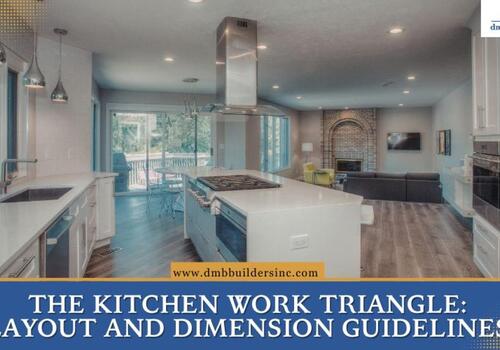
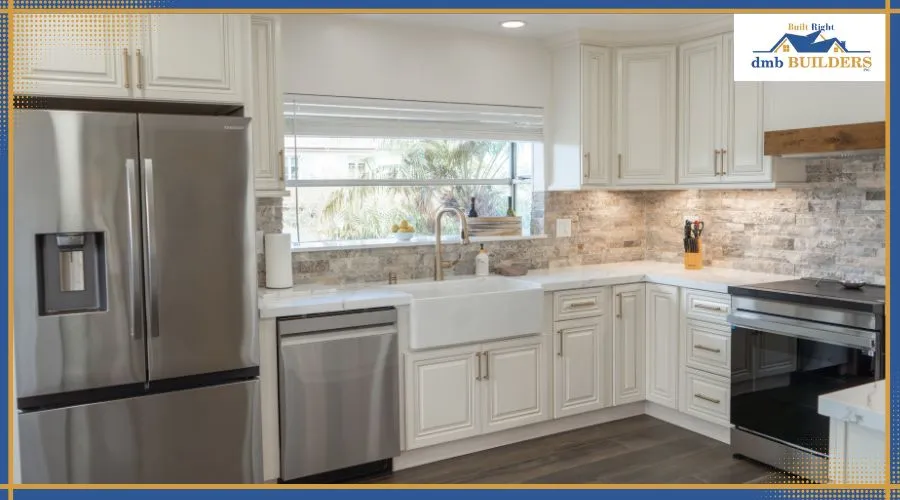
Modern kitchen efficiency relies on both the classic work triangle and specialized activity zones. A functional kitchen requires careful placement of major appliances and workstations to prevent congestion. Designers use specific methods to organize these high-traffic areas:
- Work Triangle: The invisible path connecting the sink, stove, and refrigerator to minimize walking distance.
- Zones (Prep, Cooking, Cleaning): Dedicated areas for specific tasks that allow multiple people to work without getting in each other's way.
The Five Standard Kitchen Layouts
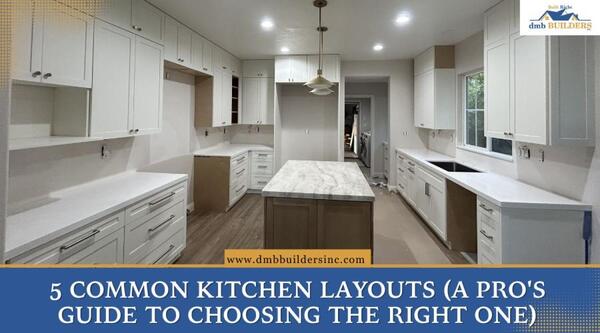
There are five basic floor plans used in almost every residential kitchen. Selecting the right shape depends on your available square footage and your goals for storage. Consider these kitchen layout ideas for your next renovation:
- One-Wall Kitchen: A layout that places all cabinets and appliances along a single wall to save space in compact homes.
- Galley Kitchen Design: A professional standard featuring two parallel rows of units that create a high-efficiency walk-through corridor.
- L-Shaped Kitchen: A versatile plan using two perpendicular walls that easily accommodates a kitchen island and an open concept feel.
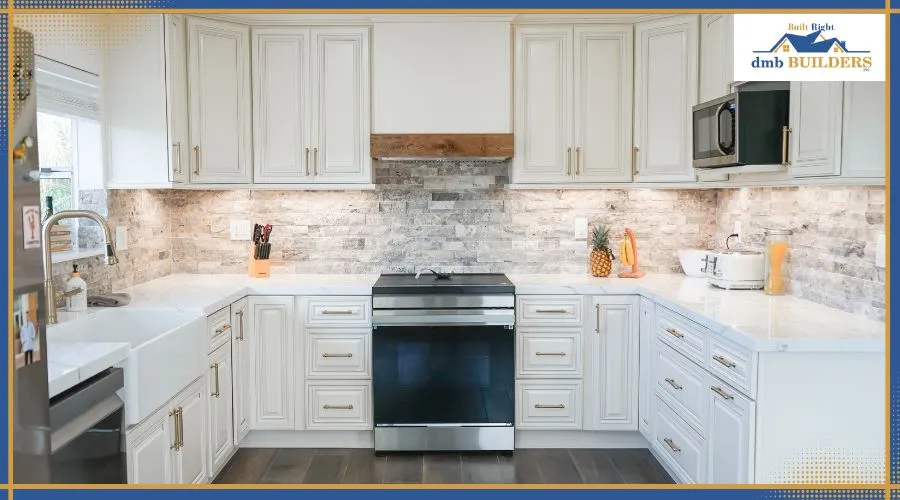
- U-Shaped Kitchen: A design spanning three walls that provides the maximum amount of cabinet storage and counter surface area.
- G-Shaped Kitchen: An extension of the U-shape that adds a peninsula for extra seating or prep space while maintaining a distinct cooking border.
Layout Standards for Traffic and Clearance
Safe kitchen layouts require specific measurements for walkways and appliance access. Proper spacing prevents bottlenecks and ensures that cabinet doors and appliances can open fully. Follow these industry standards to maintain a safe environment:
- Walkway Widths: A minimum of 42 inches for single-cook spaces or 48 inches for households where multiple people cook.
- Appliance Landing Areas: Designated sections of counter space next to the stove and fridge for setting down items quickly.
Technical Details Homeowners Overlook
Small planning errors in storage and power can lead to big problems later. Successful kitchens require more than just a good footprint to be truly functional. Address these technical details during the planning phase to avoid common mistakes:
- Landing Area Requirements: The need for 15 to 24 inches of clear counter space on both sides of the sink and range.
- Vertical Storage Integration: The use of ceiling-height cabinets to increase storage capacity without expanding the room's footprint.
- Lighting and Power Placement: A plan for dedicated outlets and task lighting over every prep and workflow zone.
Start Planning Your Kitchen Transformation
The best kitchen starts with a plan that fits your specific lifestyle. Every home is different, and there is no "one size fits all" answer. Whether you want a massive island for entertaining or a compact galley for serious cooking, we can help you find the right fit. Our team at dmb Builders Inc specializes in turning these layouts into beautiful, livable spaces. Call us today for expert kitchen remodeling service.
Frequently Asked Questions
What is the most efficient kitchen layout?
The galley kitchen design is often considered the most efficient for a single cook because it minimizes the distance between the sink, stove, and fridge.
What are the 5 basic kitchen layouts?
The five basic layouts are the one-wall, galley, L-shaped, U-shaped, and G-shaped kitchens.
How do I choose a kitchen layout for my space?
Measure your kitchen dimensions and identify the location of windows and doors. Consider how many people will use the space at once, and if you want an open concept flow.
What is the kitchen work triangle?
The work triangle is a design rule that connects the sink, refrigerator, and stove to create the most efficient path for the cook.
Is an L-shaped or a U-shaped kitchen better?
An L-shaped kitchen is better for socializing and adding an island, while a U-shaped design is better for maximum storage and total workspace.

Recent Posts

When Is the Best Time to Remodel Your Home?
Feb 10, 2026