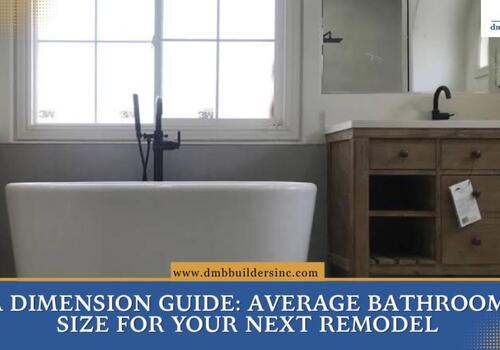

Planning a bathroom remodel can feel overwhelming without a clear roadmap. From cost planning and material selection to scheduling demolition and installation, every step impacts your timeline and costs.
This bathroom remodel checklist helps homeowners organize each phase, prevent costly delays, and ensure a smooth renovation. Use this guide to account for standard bathroom layouts and source materials efficiently before construction begins.
- What Does Best-in-Class Bathroom Renovation Planning Look Like?
- How Do I Follow Local Building Codes and Standards?
- Plan for a High Return on Investment
- How Can I Optimize Spatial Design and Technical Planning?
- What Common Renovation Pitfalls Should I Avoid
- Sequence Construction and Source Materials Effectively
- Start Your Renovation Project Today
- Frequently Asked Questions
- Is a permit legally required for a bathroom renovation?
- What is the first step in planning a bathroom remodel?
- How long does a typical bathroom renovation take?
- Which materials offer the best water resistance?
- How do I choose the right vanity size for my bathroom?
What Does Best-in-Class Bathroom Renovation Planning Look Like?

Top-tier bathroom renovation planning combines beautiful design, structural safety, and precise material ordering before construction begins. This careful preparation eliminates expensive guesswork and keeps your project on schedule.
Early planning also addresses hidden issues such as outdated wiring or unseen water damage. Key steps include:
- Finalizing your vision by selecting plumbing fixtures and tile before hiring a contractor.
- Creating a detailed floor plan that maps the exact locations of your vanity and shower.
- Ordering materials in advance to prevent construction delays.
How Do I Follow Local Building Codes and Standards?
Compliance with building codes ensures plumbing, electrical work, and structural changes are safe and legal. Proper permits and inspections confirm your bathroom remodel meets all regional requirements.
- Check municipal codes for water conservation standards. Installing WaterSense-labeled fixtures can save up to 20% in water usage.
- Secure local permits through licensed professionals.
- Pass rough-in inspections, during which city officials review open walls to verify compliance with wiring and plumbing.
Plan for a High Return on Investment
A realistic cost plan accounts for labor, materials, and unexpected structural repairs discovered during demolition. Proper planning prevents incomplete projects and maximizes home value upon resale.
- Set aside 20% of your total project cost as a contingency fund for surprises like dry rot or mold.
- Research local market trends to estimate potential ROI before selecting high-end finishes. Overspending in a mid-range neighborhood rarely returns value.
How Can I Optimize Spatial Design and Technical Planning?
Smart spatial design maximizes usable space while ensuring comfort and functionality. Technical planning prevents costly pipe relocations and ensures proper ventilation to avoid mold growth.
- Follow standard spacing guidelines from the National Kitchen and Bath Association for a comfortable layout.
- Retain your existing plumbing layout when possible; moving drains or toilets increases labor and material costs.
- Maintain adequate clearances for toilet and shower doors. Combine overhead and task lighting for optimal visibility.
What Common Renovation Pitfalls Should I Avoid
Ignoring waterproofing or older home hazards can lead to water damage and health risks. Address these issues early to protect your investment.
- Test for lead paint and asbestos in homes built before 1978. Hire a contractor certified by the EPA Lead Renovation, Repair, and Painting Program to manage toxic dust during demolition.
- Invest in a premium waterproofing system for showers and walls. Follow Tile Council of North America installation guidelines to prevent moisture failures.
Sequence Construction and Source Materials Effectively
Purchasing all surface materials and plumbing components early prevents supply chain delays. Proper sequencing ensures each phase runs smoothly.
| Stage | Materials / Components | Notes / Tips |
| Demolition | Tools, safety gear | Strip the room to the studs, check for hidden damage |
| Rough Plumbing | Pipes, fittings, valves | Maintain existing layout when possible |
| Electrical | Wiring, outlets, switches | Pass rough-in inspection before drywall |
| Wall Prep | Drywall, waterproofing | Ensure proper moisture barrier |
| Flooring | Tiles, vinyl, adhesives | Check dye lots and water resistance |
| Fixtures | Vanity, toilet, shower, lighting | Order early to prevent delays |
| Finishing | Paint, hardware, mirrors | Install last to avoid scratches |
Store extra materials safely since dye lots may vary over time. Follow a logical construction sequence: start with demolition and rough plumbing, and finish with delicate tasks like painting and installing hardware.
Start Your Renovation Project Today
DMB Builders Inc is a home improvement contractor in Carlsbad CA, specializing in comprehensive home remodeling, kitchen remodeling, bathroom remodeling, and 3D design services for local homeowners. Contact our team today to begin planning your updated space and enjoy a stress-free bathroom renovation.
Frequently Asked Questions
Is a permit legally required for a bathroom renovation?
Yes. Most renovations involving plumbing, electrical, or structural changes require a permit. Skipping this step risks fines and forces costly removal of unpermitted work during future inspections.
What is the first step in planning a bathroom remodel?
Establish a firm project. This financial boundary determines material choices and project scope, and helps you plan for potential surprises before work begins.
How long does a typical bathroom renovation take?
Standard renovations take four to eight weeks once construction begins. Delays in material delivery or unexpected repairs can extend this timeline.
Which materials offer the best water resistance?
Porcelain tile and premium vinyl plank flooring perform well in wet environments. Avoid standard hardwood, which warps or buckles when exposed to standing water.
How do I choose the right vanity size for my bathroom?
Measure available floor space and allow enough clearance for doors and foot traffic. A smaller vanity keeps the room from feeling cramped while still providing adequate storage.