
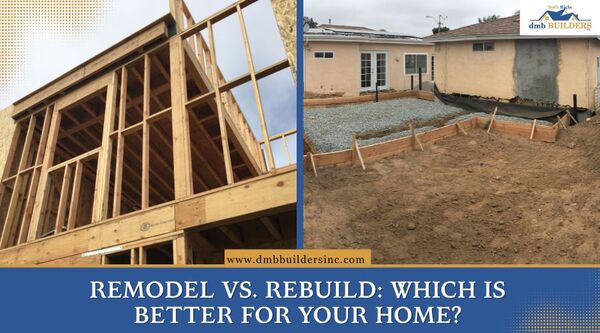
When planning a kitchen remodeling project, homeowners often face a key decision: remodel the existing structure or rebuild from the ground up. Each option affects cost, timelines, permits, and long-term value.
The right choice depends on structural condition, local regulations, energy standards, and budget limits. Understanding these factors early helps you avoid costly surprises and choose the path that fits your home and neighborhood.
- Remodel vs. Rebuild Quick Comparison
- Structural Integrity and the Choice to Remodel
- The Impact of the FEMA 50 Percent Rule
- Modern Energy Standards and Performance
- How Long Does a Home Remodel or Rebuild Usually Take?
- Infrastructure Costs and Regulatory Status
- Planning a Home That Works for the Long Run
- Frequently Asked Questions
- Does remodeling or rebuilding have a better return on investment?
- How long does it take to get a permit for a new house?
- What is the 50 percent rule for home improvements?
- Are there tax credits available for home energy upgrades?
- What is the benefit of a 10-year structural warranty?

Remodel vs. Rebuild Quick Comparison
This comparison highlights the differences between permits, codes, warranties, and utilities for remodeling and rebuilding paths.
| Feature | Remodel Path | Rebuild Path |
| Permit Speed | Fast (4 to 12 weeks) | Slow (9 to 18 months) |
| Home Warranty | 1 to 2 years | 10 year structural |
| Building Code | Partial updates | Latest IECC compliance |
| Existing Utilities | Grandfathered status | Mandatory new upgrades |
Structural Integrity and the Choice to Remodel
If your foundation is stable and the existing framing supports the layout changes you want, remodeling is often the better option. This approach preserves the main structural components of the house, which reduces labor costs and material expenses.
Keeping the original structure also lowers environmental impact by avoiding new concrete and lumber. It helps you stay within neighborhood pricing norms and reduces the risk of building a home that is far more expensive than surrounding properties.
Below is a helpful video that explains how to weigh your options between rebuilding and renovating your home.
The Impact of the FEMA 50 Percent Rule
The FEMA 50 percent rule requires a full rebuild if renovation costs exceed 50 percent of the depreciated value of the home's structure. This rule commonly applies to homes located in flood zones.
Many homeowners calculate this limit incorrectly. The rule applies only to the structure, not the land value. When land is worth significantly more than the house itself, even a basic kitchen update can exceed the threshold and trigger a legal requirement to elevate or rebuild the entire home.
Modern Energy Standards and Performance
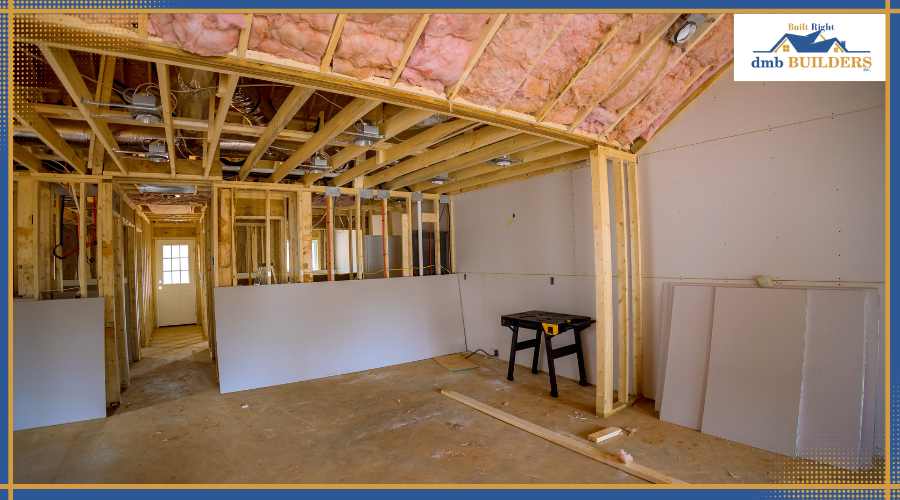
New construction must comply with the latest IECC, which sets higher standards for insulation, air sealing, and overall energy efficiency. These requirements are often difficult or impossible to fully meet during a remodel due to limitations in existing walls and framing.
Rebuilding allows the use of advanced framing methods and modern insulation systems that reduce energy loss and monthly utility bills. A newly built home can also qualify as a zero energy ready home. While remodeling preserves the energy invested in the original build, new construction delivers stronger daily efficiency over time.
How Long Does a Home Remodel or Rebuild Usually Take?
A remodel typically takes between 4 and 12 weeks to complete. A full rebuild usually requires 9 to 18 months. The longer timeline for rebuilding is driven by zoning reviews, engineering approvals, and extended permitting delays.
Major renovations often bypass complex structural reviews, which speeds up approvals. Rebuilding requires deeper inspections, long-term planning, and temporary housing during construction.
Infrastructure Costs and Regulatory Status
Rebuilding introduces infrastructure costs and regulations that remodeling avoids.
Key differences homeowners should expect with a rebuild include:
- New sewer and water line connections
- Electrical service upgrades for modern load demands
- Capacity planning for electric vehicle charging
- Loss of grandfathered utility exemptions
- Manual deconstruction requirements in some cities
Once demolition begins, the home permanently loses its grandfathered status. This change often increases cost and regulatory oversight.

Planning a Home That Works for the Long Run
Choosing between remodeling and rebuilding requires a clear understanding of your property, local rules, timelines, and long-term costs. Each option affects comfort, efficiency, and resale value.
Full home remodeling services from dmb Builders Inc help homeowners evaluate these decisions with confidence. From permit planning to construction execution, the focus is on building a home that performs well and remains valuable for decades.
Frequently Asked Questions
Does remodeling or rebuilding have a better return on investment?
Rebuilding often creates higher overall property value. Remodeling exterior features like doors and siding can deliver quicker returns, according to the Cost vs. Value Report. Avoid overbuilding beyond neighborhood price ranges.
How long does it take to get a permit for a new house?
New build permits typically take 9 to 12 months in major metro areas due to structural and civil engineering reviews.
What is the 50 percent rule for home improvements?
If project costs exceed half of the structure's value, flood and safety codes must be fully met. This often forces a rebuild in high-risk flood areas.
Are there tax credits available for home energy upgrades?
The Inflation Reduction Act provides 25C credits for remodels and 45L credits for qualifying new builds. Phasing work can help maximize credits.
What is the benefit of a 10-year structural warranty?
A 10-year structural warranty protects the foundation and framing of a new home. Remodel warranties usually cover only new work for 1 to 2 years.

Recent Posts
-

Bathroom Remodel Checklist for Homeowners
Jun 03, 2026